Brain Training Games
Exercise working memory, attention, recall and pattern recognition with short cognitive training games.


NeuroLifts is your gym for the mind: brain training games, meditation, sound healing and daily wisdom for iOS and Android
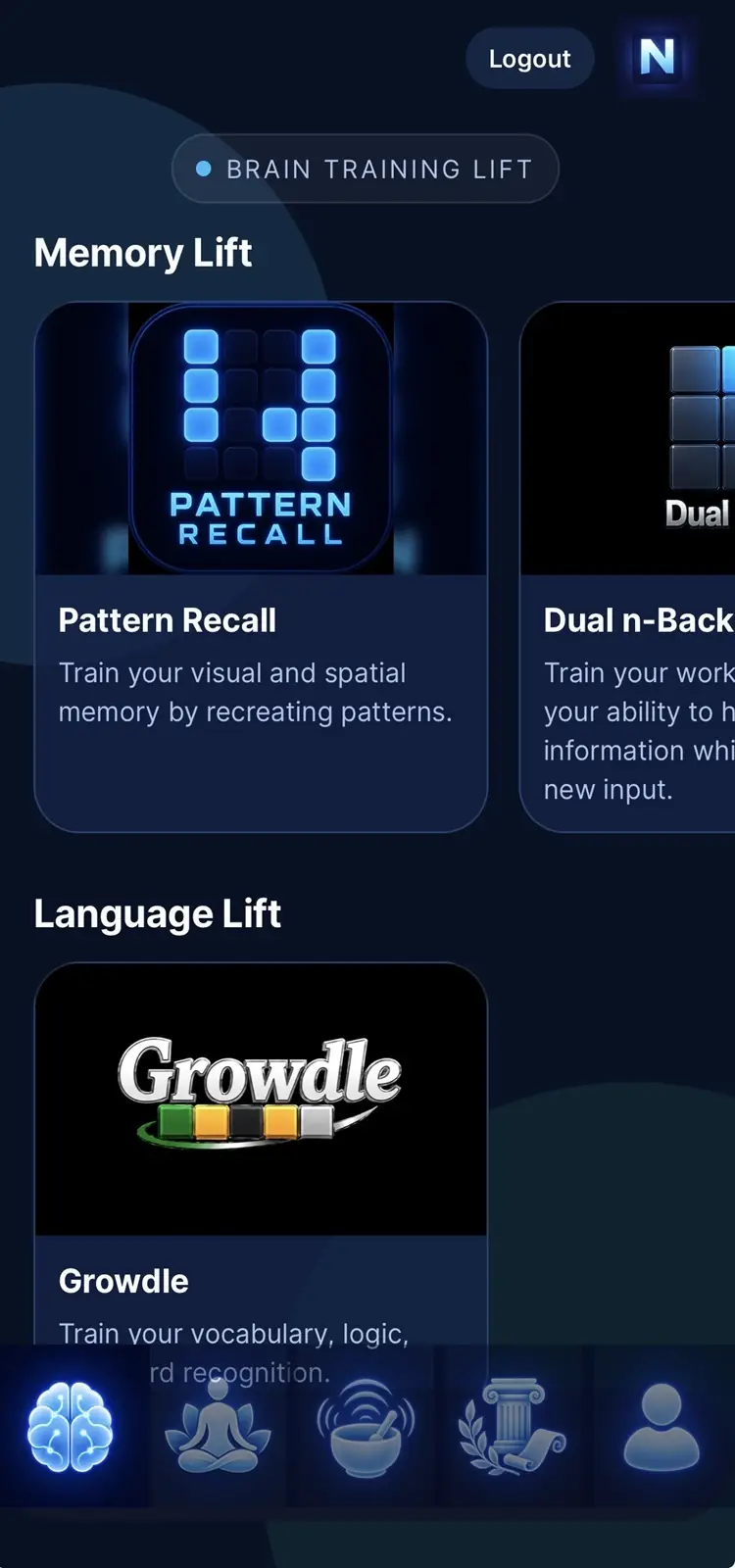
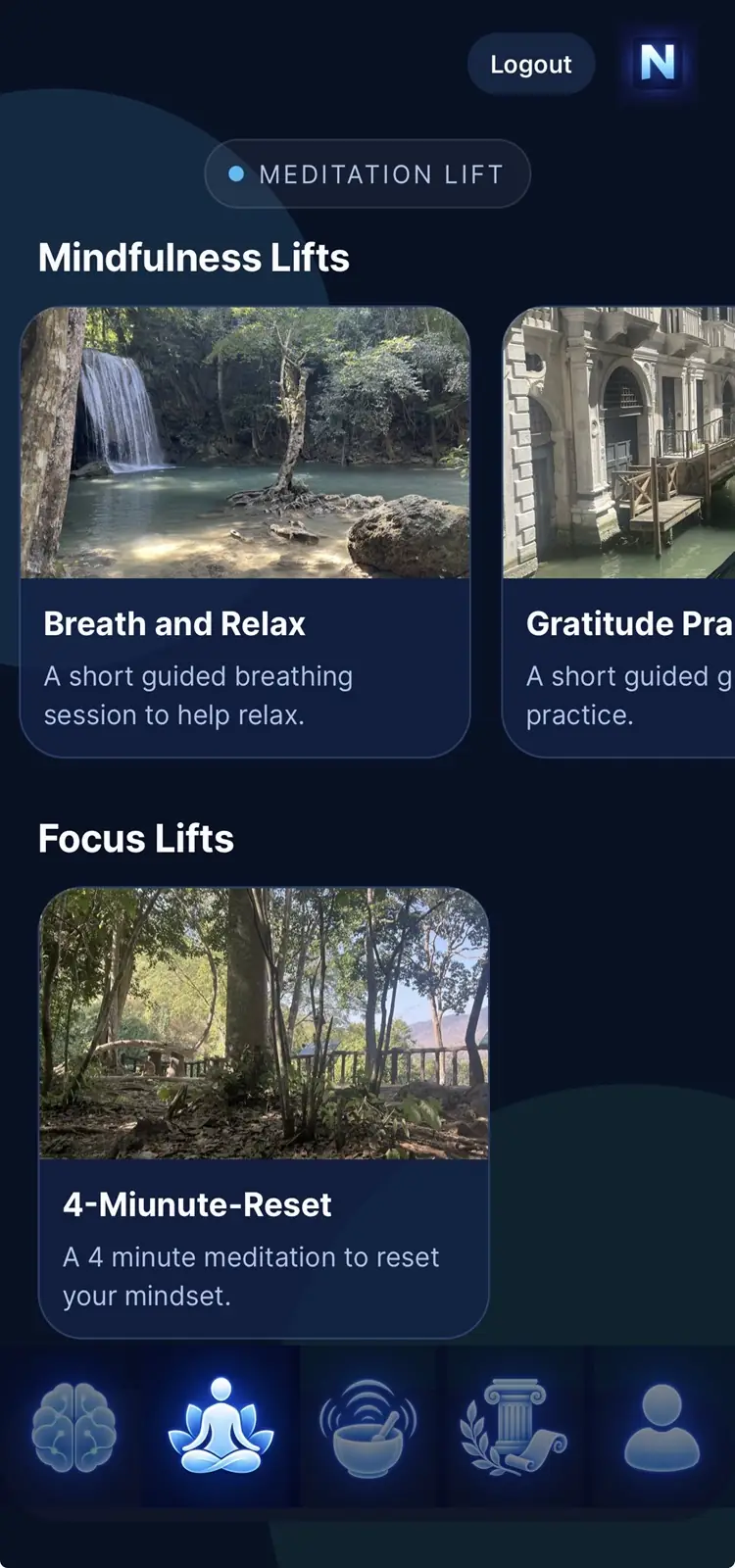
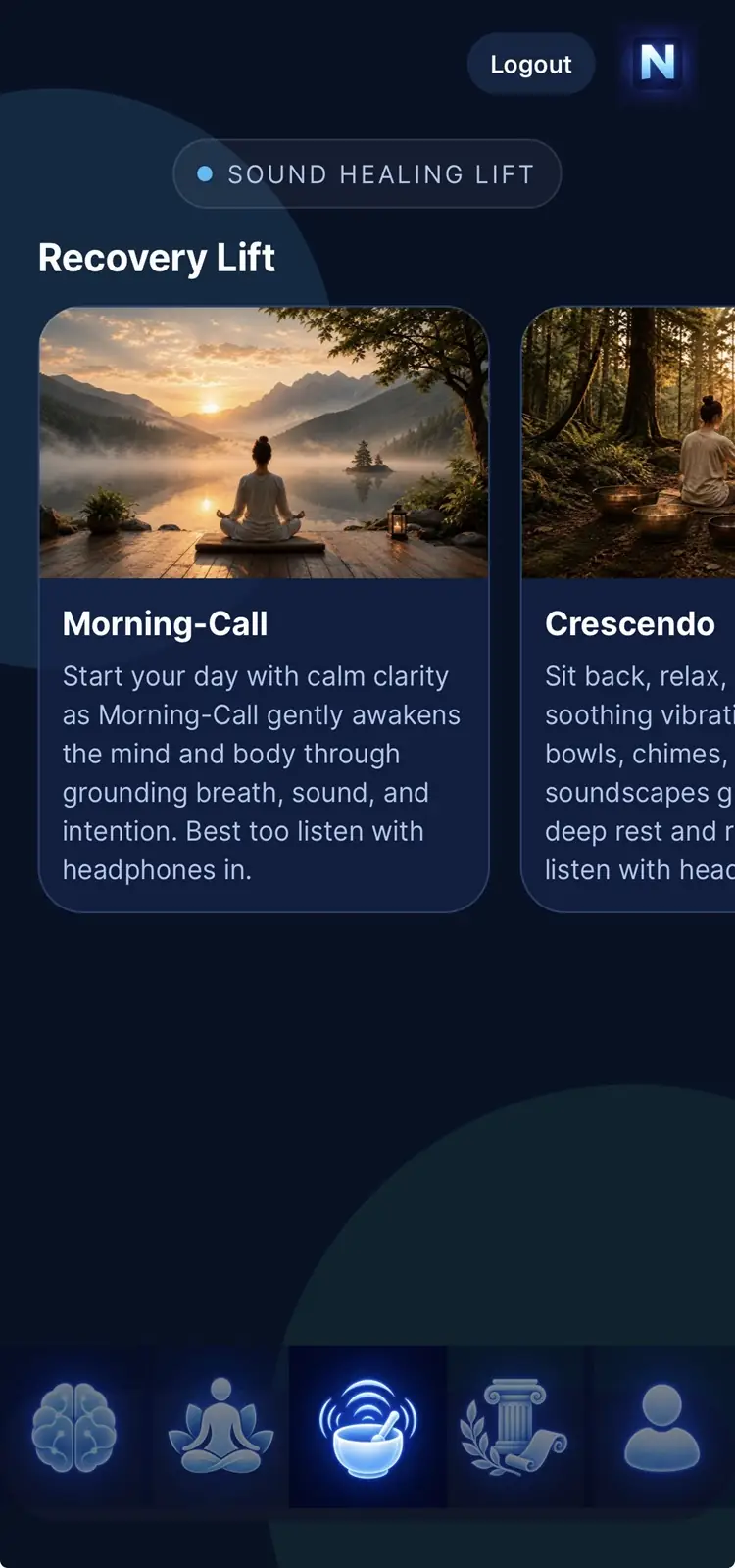
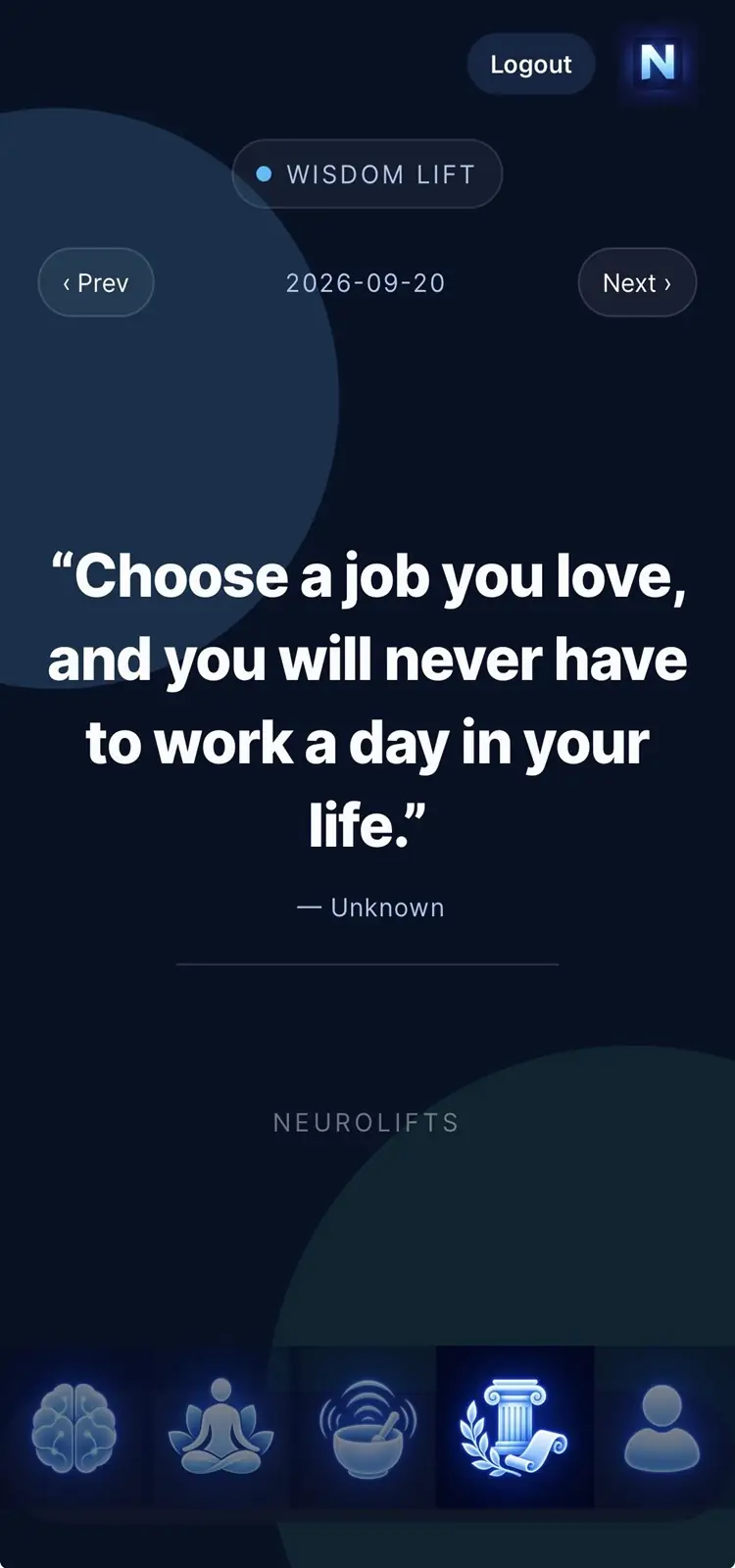
NeuroLifts combines cognitive exercises with meditation, sound-based relaxation and practical daily wisdom. Choose short activities that fit into your day and build a routine around memory, attention, focus and mental wellbeing.
Exercise working memory, attention, recall and pattern recognition with short cognitive training games.
Use guided meditation and breathing sessions to create moments of calm, attention and reflection throughout the day.
Explore relaxing sound sessions featuring singing bowls and other audio experiences designed for mindful listening.
Read short reflections inspired by Stoic philosophy and build a daily habit of perspective, reflection and practical wisdom.
“Neuro” comes from neuroplasticity, the brain’s ability to form, strengthen and prune neural connections through learning, experience and repeated practice.
“Lifts” comes from weightlifting, where repeated, progressive effort builds physical strength.
A Neuro Lift is our term for a short mental-fitness activity, such as a brain-training game, guided meditation, sound session or Stoic reflection.
Explore what research says about dual n-back , learn how working memory differs from short-term memory , understand the main types of memory , and try practical focus techniques .
Learn how to play dual n-back step by step with examples. Then try the free online game to practise tracking sounds and positions.
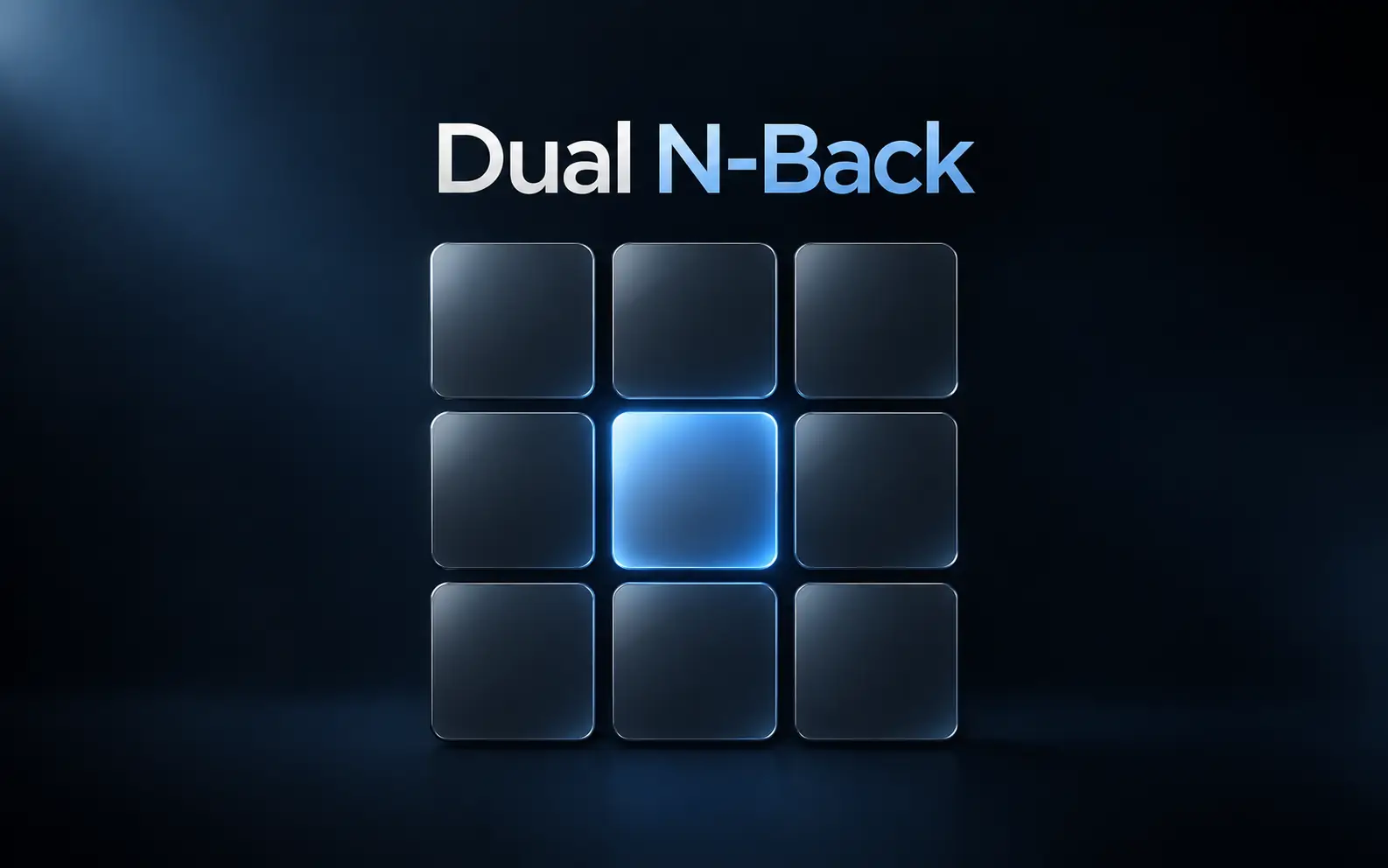
Does dual n-back work? We reviewed 80 scientific papers on memory, focus and attention, including promising findings for adults with ADHD.
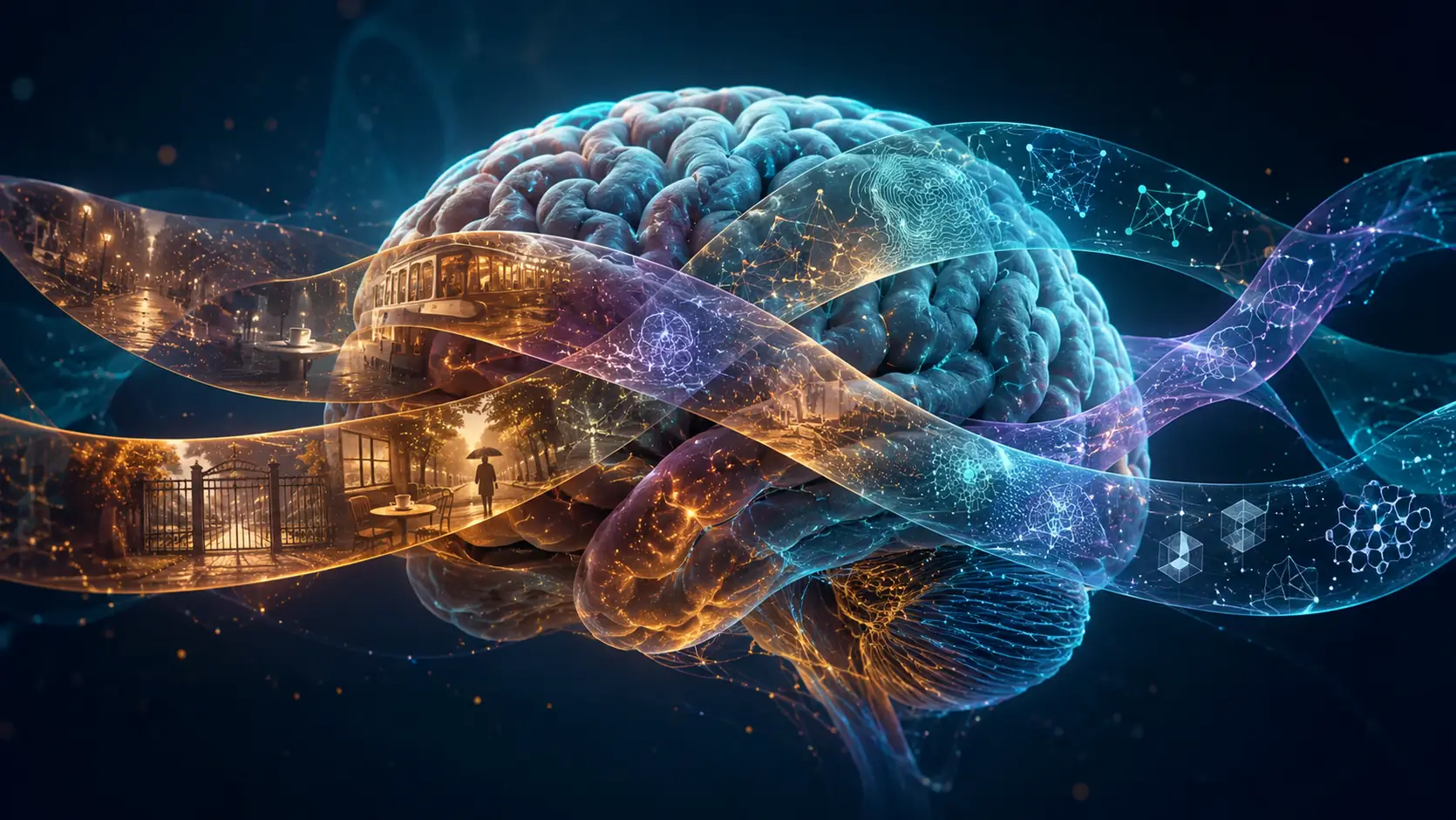
Episodic memory recalls personal events; semantic memory stores facts and meanings. Learn how they differ, interact and depend on the brain.

Brain training uses new and challenging exercises to practise memory, attention and thinking skills. Learn how it works and how to get started.

Long-term memory retains experiences, knowledge and skills over time. Learn how explicit and implicit memory work, with examples of each.
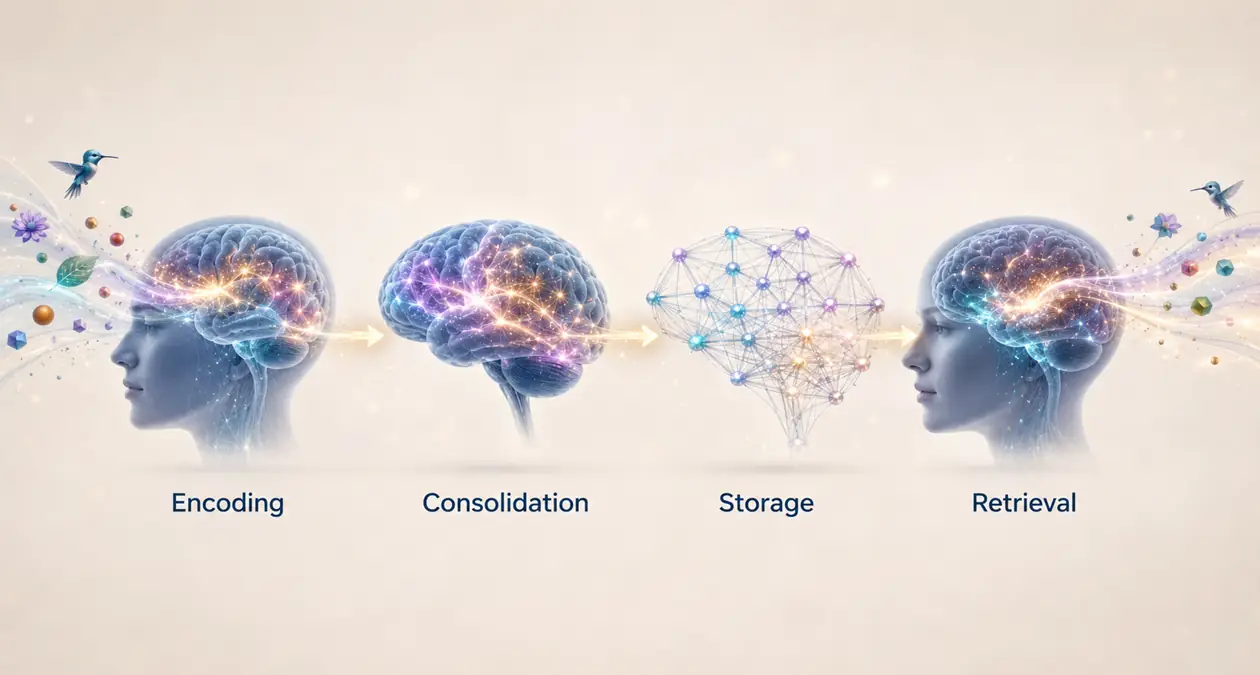
Memories form through encoding, consolidation, storage and retrieval. Learn how the brain turns experiences into memories and recalls them later.
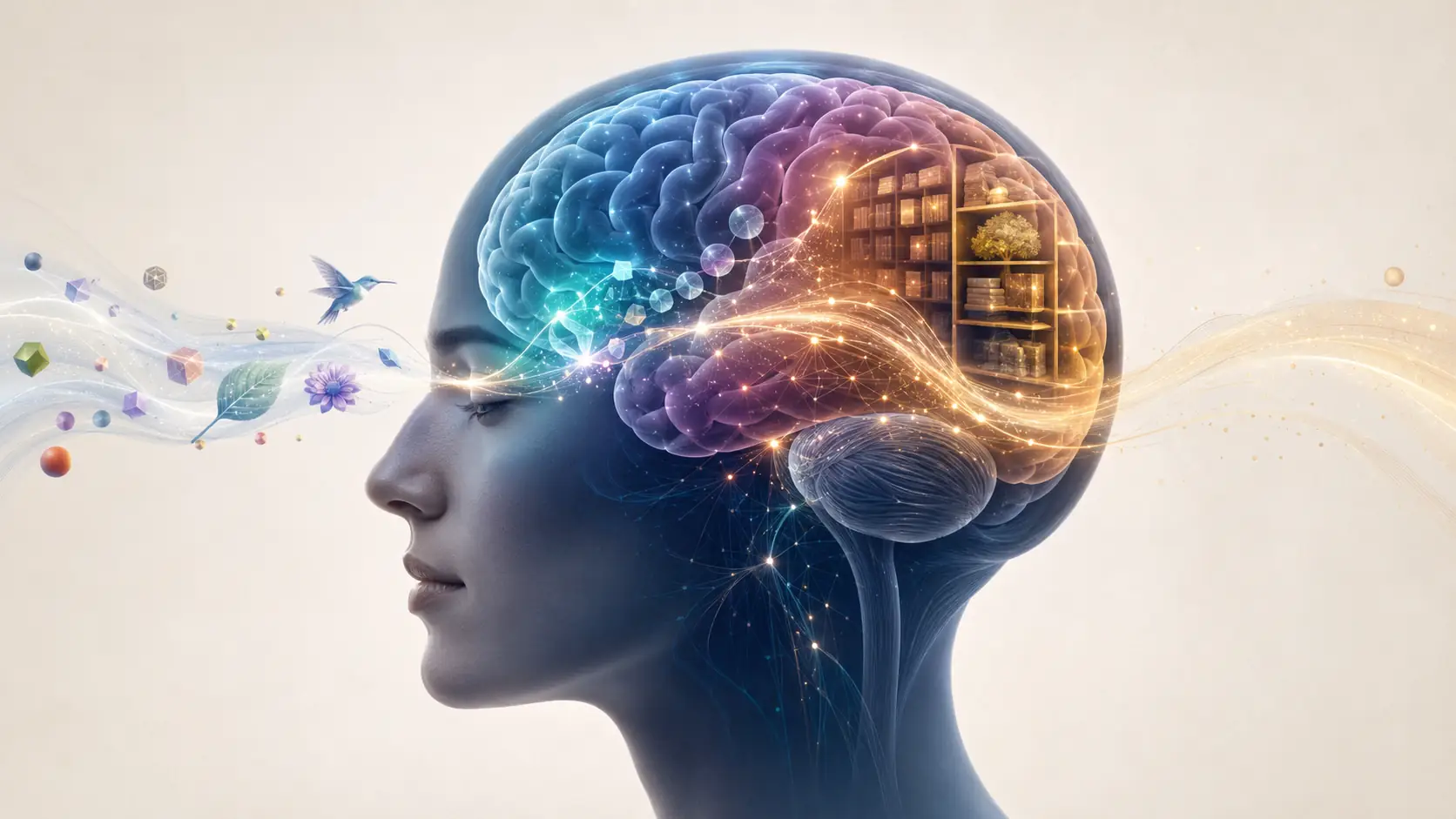
The main types of memory are sensory, short-term, working and long-term memory. This guide explains how each works with clear, everyday examples.

Why do you forget why you walked into a room? Learn how working memory, changing surroundings and the doorway effect can briefly disrupt recall.

Why do you forget people’s names? Learn why names can be difficult to remember and discover simple techniques that can improve recall.
NeuroLifts is your gym for the mind: brain training games, meditation, sound healing and daily wisdom for iOS and Android
NeuroLifts offers cognitive games designed to challenge working memory, attention, recall and pattern recognition through short, engaging exercises.
NeuroLifts draws on research into cognitive training, memory, attention and mindfulness. Our educational content aims to explain relevant research while acknowledging its limitations. Brain-training activities are not guaranteed to improve overall cognitive ability, and NeuroLifts is not a substitute for professional medical advice.
Yes. NeuroLifts is available on the web, Apple App Store and Google Play, offering access to brain-training games, guided meditation and other mental-fitness activities.